


Dungarees are a bib-and-strap one-piece garment, and this guide is built for shoppers and parents who want to buy them with confidence. Whether you call them dungarees, overalls, or bib overalls depends on where you live, but the shopping logic is the same. Read on for origin, styles, fit, and where to buy them for adults and kids alike.
TL;DR:
- Most dungarees feature adjustable straps, reinforced knees, and a loose fit to accommodate growth and frequent washing, ensuring longer wearability.
- Denim remains the toughest fabric choice, while twill and organic cotton offer lighter, softer options suited for different seasons and skin sensitivities.
- Buying online requires detailed images, explicit fabric content, accurate measurements, and genuine reviews to ensure the right fit and fabric quality.
- For children, choosing dungarees with a generous strap range and fold-up hems prevents seasonal outgrowing and makes adjustments easier over time.
- Dungarees are versatile, layering well for various styles and seasons, from casual to smart-casual looks for adults and practical, easy-to-change outfits for kids.
Table of Contents
- What are dungarees, and where does the word come from?
- What styles and fabrics should you expect when shopping?
- How do you choose the right fit and size?
- How do you style dungarees for different ages and seasons?
- What should you check before buying dungarees online?
- Baby Goes Retro’s dungarees: a ready option worth checking out
- An honest take on buying dungarees for kids
- Ready to shop dungarees for your family?
- Sources
- FAQ
What are dungarees, and where does the word come from?
The word traces back to Dongri, a district in Mumbai once known for producing a coarse cotton cloth called “dungri.” That fabric name shifted meaning over time, moving from cloth to clothing as workers turned the durable material into hardwearing trousers, according to Etymonline. The timeline runs roughly like this:
- 17th century: “Dungri” refers to the coarse Indian calico fabric itself, not a garment.
- 19th century: The term shifts to describe work clothing made from that cloth, and “dungarees” enters everyday English.
- Today: In British and Australian English, dungarees usually mean a one-piece garment with a bib front and adjustable shoulder straps, while American English often stretches the word to cover jeans or heavy cotton work trousers, per the OED.
Regional usage is really just dialect at work. Some Australians say “overalls” for the same garment, and that is not wrong. It is worth knowing the fabric and the garment are related but not identical stories. Wikipedia’s entry on dungaree fabric) explains that denim and dungaree cloth developed along overlapping but separate paths, so the two words are cousins, not twins.
What styles and fabrics should you expect when shopping?
Not every pair of dungarees looks or wears the same, and knowing the categories saves you from a mismatched purchase. The main shapes you’ll see are:
- Full-length bib overalls – ankle-length, classic silhouette, the most common style for both kids and adults.
- Short dungarees – knee-length or shorter, popular for warmer months and playwear.
- Jumpsuit dungarees – a fitted one-piece with no separate leg cut, often more fashion-forward.
Fabric choice matters just as much as cut. Denim is the toughest and most weather-resistant option but takes longer to dry. Twill sits lighter on the skin and moves well for active kids. Corduroy adds warmth and texture, handy for cooler seasons. Organic cotton tends to be softer against sensitive skin and often feels gentler through repeated washes than conventional cotton blends.
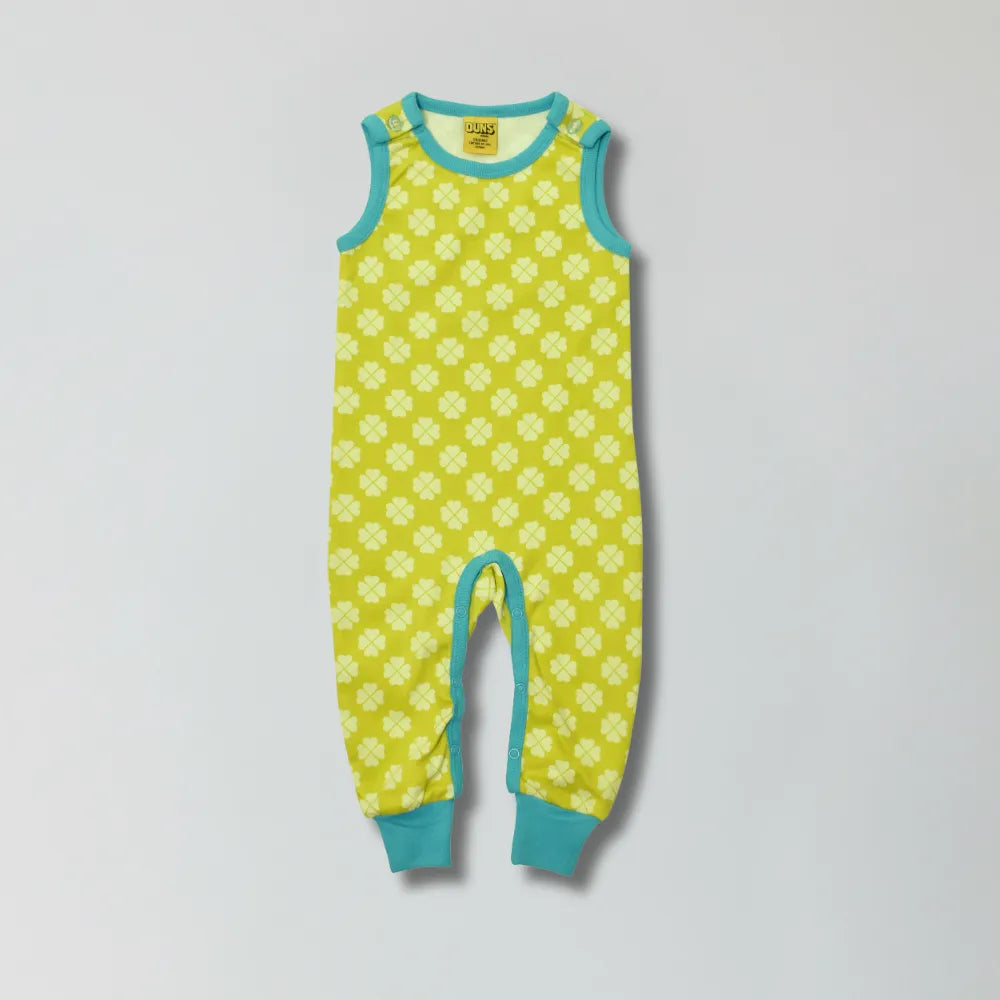
Beyond fabric, look for the features that decide whether dungarees earn their keep in high rotation: adjustable straps for a growing body, deep pockets that survive pocket-stuffing toddlers, and reinforced knees where crawling and scooting wear thin fastest.
How do you choose the right fit and size?
Getting the fit right starts with three checks: strap adjustability, room through the hip and thigh, and whether the length options suit your body or your child’s growth spurts. Straps that only adjust one way (up, never down) are a signal the brand hasn’t thought through longevity.
For babies and toddlers, sizing gets more specific. Look for:
- Cloth-diaper friendly cuts – roomier through the seat and legs if you use cloth nappies.
- Adjustable hems – buttons or fold-up cuffs that stretch the wear-life across a growth spurt or two.
- A generous strap range – enough movement to fit a chunky nine-month-old and a leaner two-year-old in the same pair.
Durability cues matter just as much as size. Check stitching density along seams, look for double-stitched or reinforced knee panels, and feel the fabric weight in your hands. Thin, flimsy denim will not survive a determined crawler.
A simple decision sequence keeps the process quick: measure your child (or yourself) against the brand’s size chart, check for the adjustable features above, choose a fabric suited to the season, then confirm the seller’s returns policy before you commit.
Pro Tip: If you’re buying for a baby who’s mid growth-spurt, size up rather than down. Adjustable straps and fold-up hems buy you months of extra wear, and that is usually worth more than a perfect fit on day one.
How do you style dungarees for different ages and seasons?
Dungarees have a reputation for being one-note, but they layer better than most people expect. For adults, a plain tee and boots make a casual daytime outfit, while a fitted turtleneck underneath turns the same pair into smart-casual for a coffee catch-up or a low-key office day. In shoulder seasons, add a denim or wool jacket over the top and swap straps down to one side for a slouchier look.
For kids, the priority shifts to practicality without sacrificing style. Popular combinations include:
- A long-sleeve bodysuit or tee underneath, easy for warmth and easy for nappy changes.
- Snap-crotch styles for babies, which cut change-time frustration in half.
- A beanie and gumboots pairing that makes short dungarees work through cooler months, not just summer.
Footwear does a lot of the heavy lifting for the finished look. Trainers keep things playful, boots dress dungarees up, and for littlies, soft-soled shoes or socks alone keep things comfortable during floor play.
What should you check before buying dungarees online?
Buying online removes the chance to touch the fabric first, so the listing itself has to do the convincing. Before you check out, look for:
- Clear, multiple images – ideally showing the garment on a body, not just flat-laid.
- Fabric content listed explicitly – “100% organic cotton” tells you far more than “cotton blend.”
- Accurate measurements, not just a size label, since sizing varies wildly between brands.
- Genuine customer reviews, especially ones mentioning true-to-size fit or wash durability.
Shipping and returns terms deserve a second look too, particularly if you’re buying kidswear sight unseen. Shipping is a flat rate Australia-wide, with free shipping offered once orders pass a certain threshold, and purchases come with easy returns and exchanges within 30 days, so a fit that’s slightly off is never a dead end.
It’s also worth thinking past the first wear. A background insight on kids’ clothing suggests that better-finished, organic pieces often outlast cheaper alternatives across repeated washes, which can make the higher upfront price a smarter long-term buy for fast-growing kids.
Baby Goes Retro’s dungarees: a ready option worth checking out
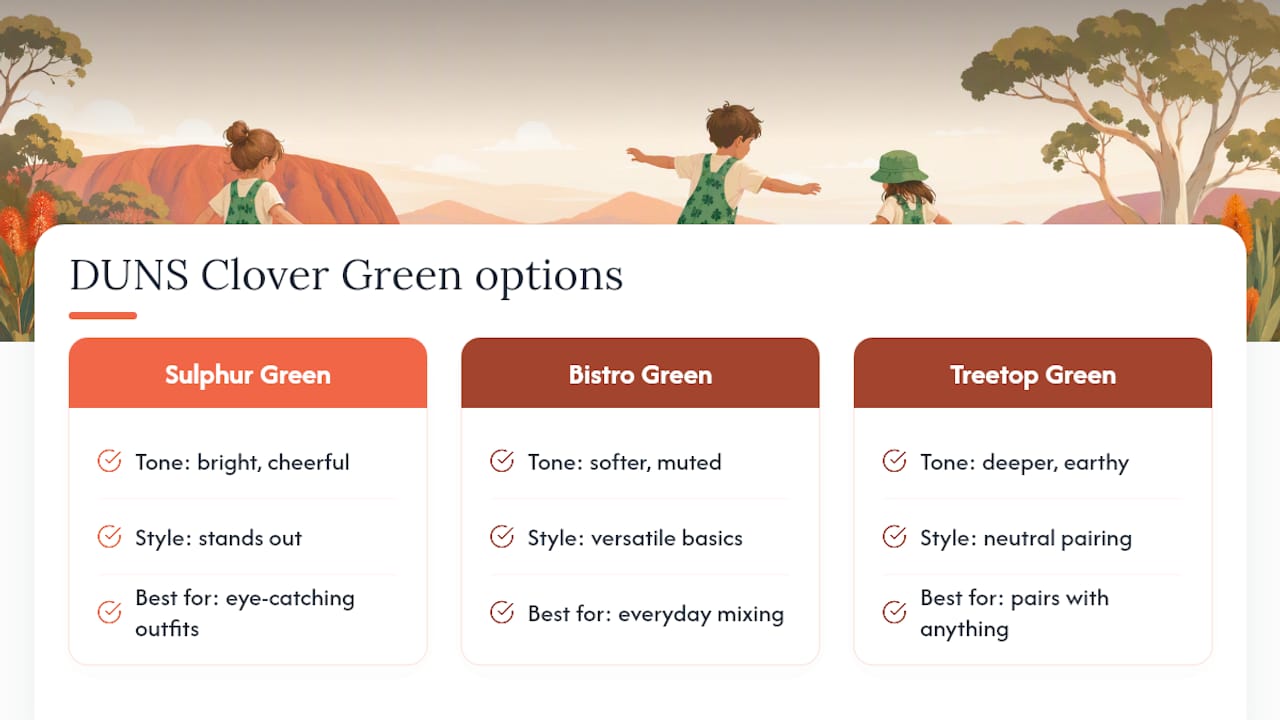
This family-run business has been delivering joy since 2007, with an ethical and organic focus running through every product on the shelf. Among the current standouts are the DUNS Sweden Clover Dungarees in Sulphur Green, a bright, cheerful option for kids who like to stand out in a crowd. The Bistro Green pair leans softer and more versatile for mixing into an everyday wardrobe, while the Treetop Green style offers a deeper, earthier tone that pairs easily with almost anything already in the drawer. Before buying, check the size guide and fabric notes on each product page, and look for cloth-diaper details if that’s part of your routine.
An honest take on buying dungarees for kids
The biggest mistake I see parents make isn’t choosing the wrong colour. It’s chasing a “perfect fit” instead of an adjustable one. Kids grow in bursts, not straight lines, and dungarees with generous strap range and fold-up hems will outlast a snug pair by months. My one piece of maintenance advice: wash inside out to protect the print and colour longer.
— Daniel
Ready to shop dungarees for your family?
This store offers dungarees chosen for adjustability and organic, ethically sourced fabric, helping avoid frequent replacement every season.
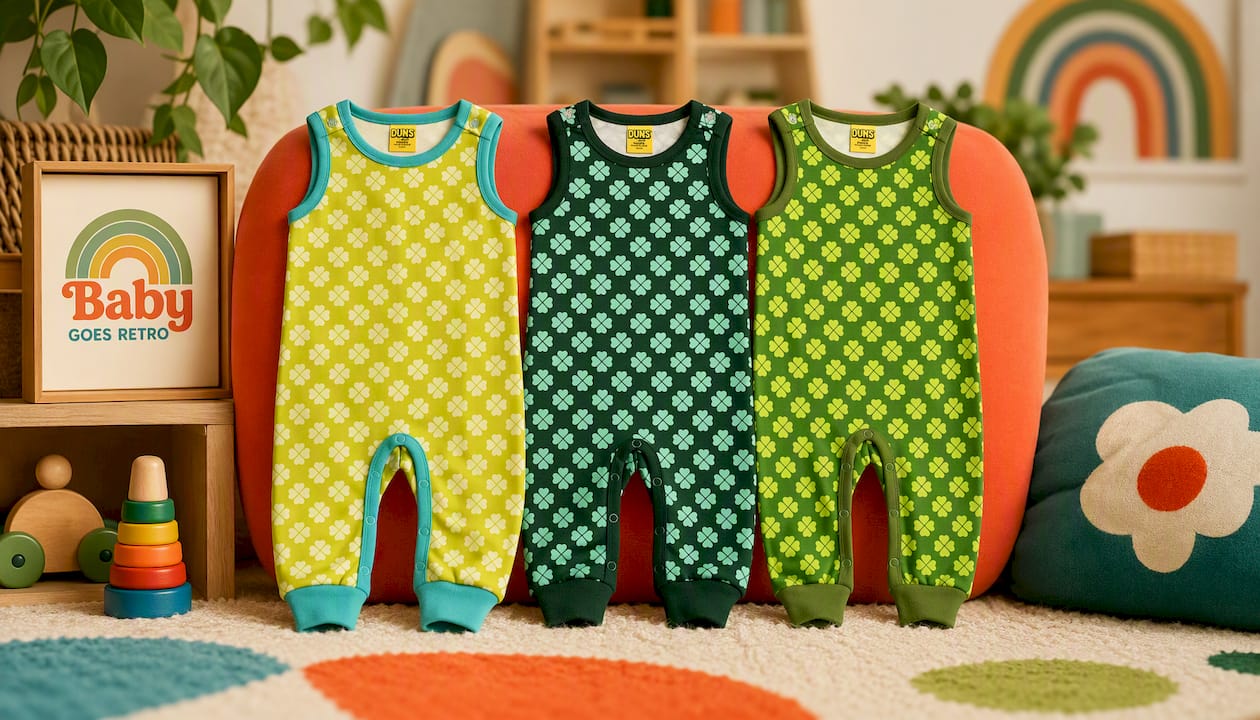
Browse the three DUNS Sweden Clover styles in Sulphur Green, Bistro Green, and Treetop Green, or explore the full baby clothes collection and kids clothing range for more organic options. For sizing guidance beyond dungarees, this youth apparel buying checklist is a handy general reference. Every order ships for a flat $7.95, or free over $97, backed by 30-day easy returns and exchanges. Check the size guide on your favourite pair, confirm the cloth-diaper notes if you need them, and add it to your cart today.
Sources
FAQ
Is “dungarees” an Australian word?
No, dungarees is not exclusively Australian. The term has origins in colonial-era India and reflects British usage patterns that Australia inherited, according to Wayword Radio.
What do Australians call dungarees?
Most Australians use “dungarees” and “overalls” interchangeably for the bib-and-strap garment. Both refer to the same one-piece style with shoulder straps, and the choice of word usually comes down to personal or regional habit rather than a strict rule.
What does “dungarees” actually mean?
Dungarees means a one-piece garment with a bib front and adjustable shoulder straps in British and Australian English. In American English, the term sometimes stretches to cover jeans or heavy cotton work trousers, as noted in the OED.
Why are they called dungarees?
The name comes from Dongri, a Mumbai district once known for a coarse cotton fabric called “dungri.” That fabric name shifted from cloth to garment over the 19th century as workers made durable trousers from the material, per Etymonline.
Where can I buy quality dungarees for kids?
Baby Goes Retro stocks organic dungarees for babies and toddlers, including the DUNS Sweden Clover range in three colourways. All orders ship for $7.95 flat, free over $97, with 30-day easy returns if the fit isn’t right.
댓글 0개