


Linen is a top choice for many kids’ clothes because it breathes, dries fast and gets softer with every wash. Think a lightweight romper for a hot day at the park, or a linen shirt over shorts for a toddler’s birthday party. Both work because linen moves air, wicks moisture and rarely sits stiff against sensitive skin. For young children, linen earns its place across:
- Rompers and bodysuits for babies
- Overalls and dungarees for crawling toddlers
- Loose shirts and shorts for active kids
- Summer dresses for girls
- Lightweight linen pyjamas for warm nights
If your child has sensitive skin or you’re after something that survives years of wear (and a sibling or two after that), linen is one of the more dependable fabrics on the market.
Key Takeaways
Linen suits children’s clothing because its open weave and moisture-wicking fibres keep skin cooler and drier than most woven cottons, and it softens further with every wash.
| Point | Details |
|---|---|
| Prioritise linen for hot weather | Choose rompers, shorts and dresses for breathability during warm months. |
| Blend for babies | Cotton-linen blends or prewashed linen suit newborns needing immediate softness. |
| Wash gentle, dry low | Cool wash cycles and air-drying preserve softness and prevent shrinkage. |
| Check the label | Look for percentage content, prewashed finishes and recognised certifications like OEKO-TEX or GOTS. |
| Shop Baby Goes Retro for durability | Baby Goes Retro’s curated European linen and organic pieces are built for years of wear and easy hand-me-downs. |
Authoritative articles and care guides for deeper reading
- Linen vs Cotton for Kids: breathability and moisture data.
- Linen Care Tips: washing and drying guidance.
- Authentic Italian Linen Guide: spotting quality linen.
Table of Contents
- Why linen suits kids: breathability, moisture control and skin benefits
- Linen versus cotton: when to pick each for your child
- What to check on labels and product details when buying linen for kids
- How to wash, dry and treat stains so linen stays soft and long‑lived
- Outfit ideas and practical uses: keeping kids cool, active and camera-ready
- Recommended items from Baby Goes Retro that match these criteria
- Why trust Baby Goes Retro: brand history, curation and editorial resources
- Practical care instructions for kids’ linen: washing, drying and stain treatment
- Sources
- FAQ
Why linen suits kids: breathability, moisture control and skin benefits
Linen comes from the flax plant, and its fibres are hollow. That structure is what makes the fabric feel cool against skin. Air moves through the open weave far more freely than it does through tightly spun cotton, which is why linen shirts and shorts stay comfortable even when a toddler is racing around the backyard.
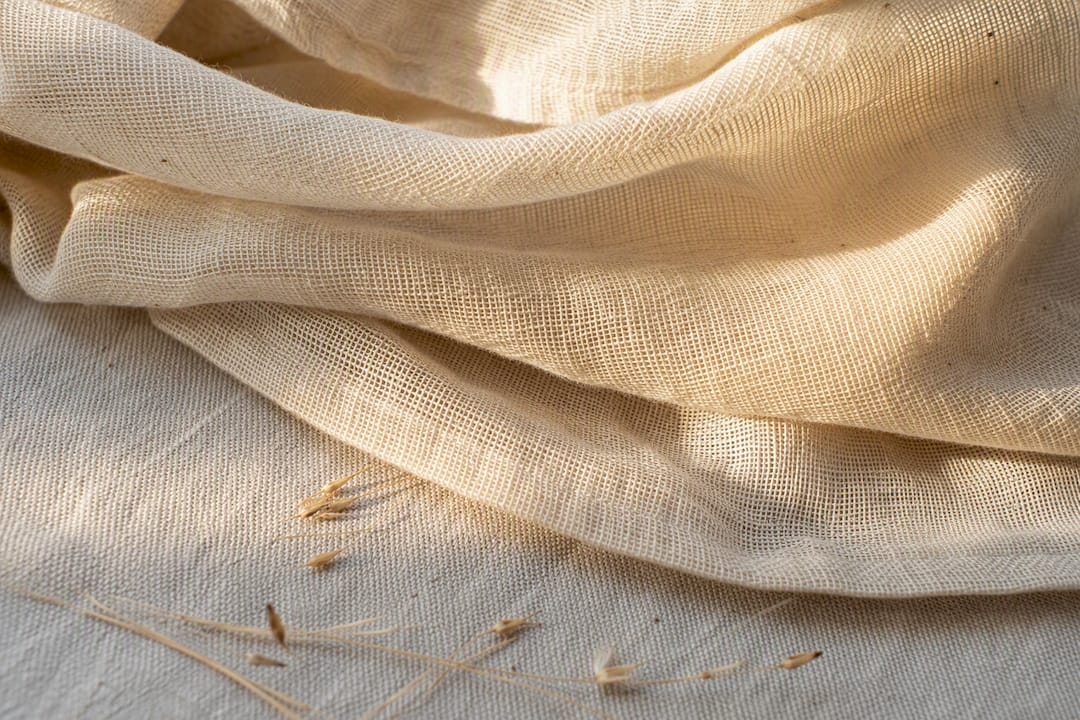
Moisture matters as much as airflow. Linen can absorb up to 20% of its weight in moisture before it starts to feel wet, then release that moisture quickly rather than trapping it against the skin. That combination cuts down on the clammy, overheated feeling that leads to heat rash in babies and toddlers.
Linen is also naturally hypoallergenic and resistant to bacteria and dust mites, which is worth knowing if your child has eczema or reacts to synthetic blends. Key benefits at a glance:
- Open weave promotes constant airflow
- Fast-drying fibres reduce dampness and chafing
- Naturally resistant to bacteria and dust mites
- Gentle on eczema-prone or reactive skin
Linen versus cotton: when to pick each for your child
Neither fabric wins outright. Linen is more breathable and dries faster, so it edges ahead for hot climates, beach days and anything involving a sprinkler. Cotton, especially organic cotton, feels softer straight off the shelf, which matters for a newborn’s first few wears. Linen needs a handful of washes before it reaches that same buttery softness, though once it gets there, it tends to stay that way for years.
Durability tips the ledger back towards linen. It’s a stronger fibre than cotton and holds up to repeated washing without breaking down, which is exactly why it’s a strong candidate for hand-me-downs. The trade-off is wrinkling. Linen creases easily; cotton doesn’t. If you’re not fussed about a rumpled look on a two-year-old (and most parents aren’t), that’s a non-issue.
A rough rule for the wardrobe:
- Newborns and first wears: organic cotton or a cotton-linen blend for immediate softness
- Hot weather, outdoor play, beach trips: pure linen for breathability
- Everyday basics that need to survive years of wear: linen or a linen-heavy blend
- Cooler months: cotton or linen layered under knits
What to check on labels and product details when buying linen for kids
Not all “linen” clothing is created equal, and the label is where you separate the good from the disappointing.
- Check the percentage. A garment marked 100% linen delivers maximum breathability and durability. Blends (commonly linen-cotton) trade a little of that breathability for extra softness and less wrinkling, which is a fair swap for babywear.
- Look for prewashed or stonewashed finishes. Prewashed linen softens the fabric before first wear, which matters enormously for newborn skin that hasn’t built up any tolerance yet.
- Inspect the construction. Soft, flat seams, lined collars, and poppers with no sharp edges all point to a brand that’s actually thought about a wriggling toddler wearing the thing.
- Note any certifications listed. Labels referencing OEKO-TEX or GOTS generally indicate the fabric has been checked for harmful substances or grown to organic standards, though it’s worth reading the specific claim on each product rather than assuming every “eco” label means the same thing.
Pro Tip: If a linen garment feels stiff in the packet, that’s normal, not a defect. Wash it once before the first wear and it will already feel noticeably softer.
How to wash, dry and treat stains so linen stays soft and long‑lived
Linen rewards a bit of care with years of extra life, and the routine is simpler than most parents expect.
- Wash cool to lukewarm on a gentle cycle, using a mild liquid detergent rather than a harsh powder that can leave residue on sensitive skin.
- Skip the high heat. Air-dry where possible, or use a low-heat setting. Pulling linen out of the dryer while it’s still slightly damp cuts down on both shrinkage and stubborn creasing.
- Treat stains fast and gently. Blot rather than scrub, and use a mild stain remover before the stain has a chance to set into the fibres.
- Store it dry and flat or loosely folded. Damp linen packed into a drawer is a recipe for mildew, so make sure garments are completely dry before they go away for the season.
If wrinkles bother you, a quick steam or a low-heat iron while the fabric is still damp smooths things out without stressing the fibres.
Pro Tip: Every wash actually improves linen. Unlike synthetic fabrics that break down over time, linen gets softer and more comfortable with each cycle, so don’t panic about “wearing it out” through regular use.
Outfit ideas and practical uses: keeping kids cool, active and camera-ready
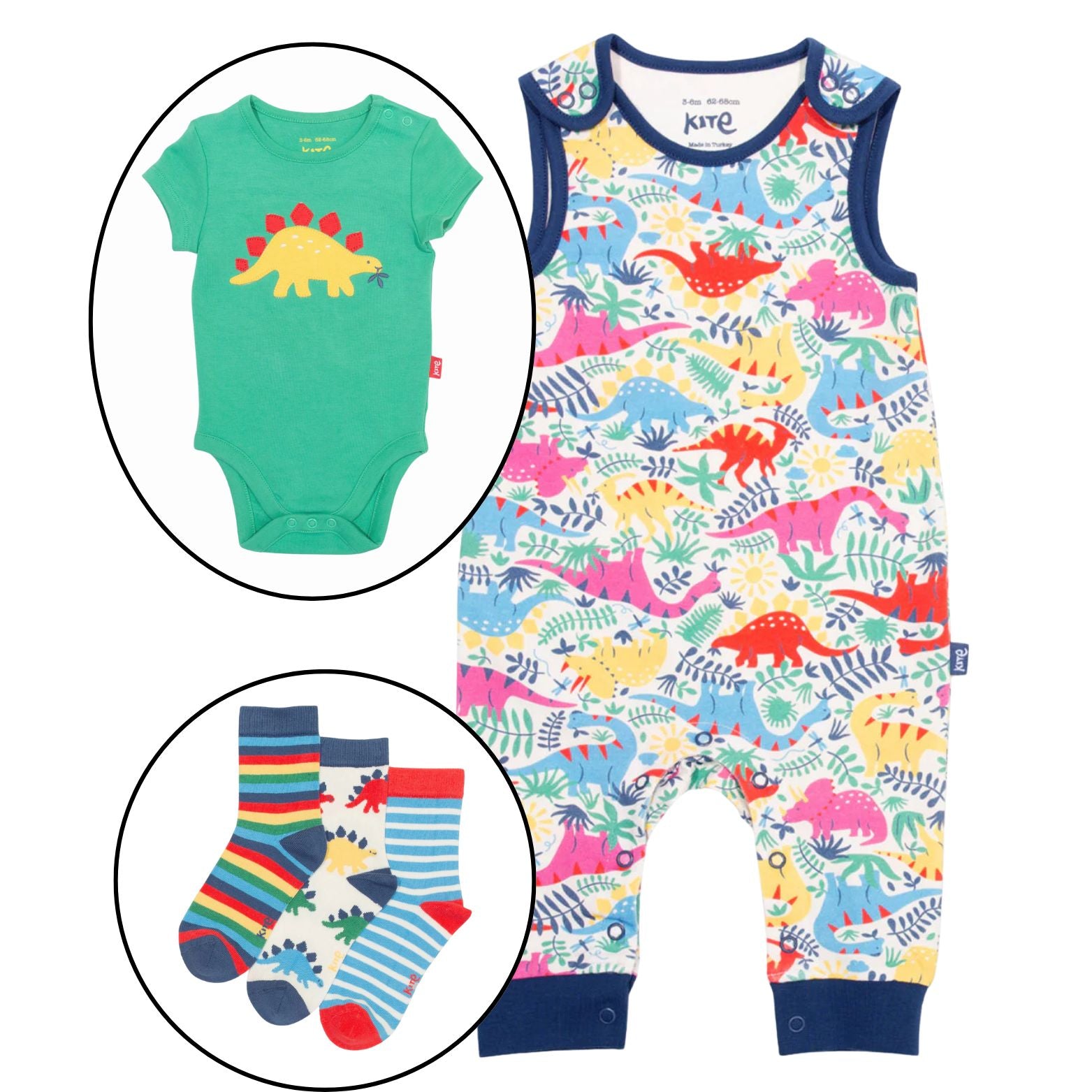
A romper paired with nothing but bare feet is the easiest warm-weather outfit you’ll ever put together, and linen makes it work harder than most fabrics because it won’t cling or trap heat during an afternoon at the park. For toddlers who are constantly moving, try layering a linen overall over a stretchy cotton bodysuit. That combination gives you breathability up top and flexibility where it matters for crawling and climbing.
Come the cooler months, linen shirts and dresses layer neatly under a light knit without feeling bulky. And if you’re packing for a holiday, linen is genuinely one of the easier fabrics to travel with. It dries fast if it gets wet or needs a quick handwash, shrugs off wrinkles better than you’d expect once it’s already been worn a few times, and takes up very little space in a suitcase.
- Romper and bare feet for hot park days
- Overalls over a stretchy bodysuit for active toddlers
- Linen shirt under a light knit for cooler evenings
- Quick-dry linen pieces for travel and holidays
Recommended items from Baby Goes Retro that match these criteria
Baby Goes Retro curates European linen and organic cotton pieces built to handle real childhood, not just a photo shoot. A few standouts worth a look:
- The Kite Pig Pannage Long Sleeve Bodysuit suits newborns needing a breathable, durable basic with easy popper access for quick changes.
- The Kite Koala Time Baby Gift Bundle and Kite Little Goose Toddler Gift Bundle take the guesswork out of gifting, with sizing already curated.
- The Kite Pear-fect Dungaree Toddler Bundle covers active play with room to move.
- The Kite Koala Time Toddler Gift Bundle and Kite Pear-fect Print Swimsuit round out warm-weather wardrobes and gift boxes alike.
- Slugs & Snails Drop Print Tights pair neatly with linen pieces once the weather turns.
All prices are listed in AUD, shipping is a flat $7.95 (free over $97), and every order comes with 30-day easy returns.
| Product | Best For |
|---|---|
| Kite Pig Pannage Bodysuit | Newborn basics, everyday wear |
| Koala Time & Little Goose Bundles | Gifting, curated sizing |
| Pear-fect Dungaree Bundle | Active toddler play |
| Pear-fect Print Swimsuit | Warm-weather layering |
| Slugs & Snails Tights | Cooler-weather pairing |
Why trust Baby Goes Retro: brand history, curation and editorial resources
Baby Goes Retro has been curating European organic baby and kids’ clothing since 2007, long enough to know which fabrics actually survive childhood and which just look good in a catalogue. Every piece is chosen for its ethical sourcing and its ability to handle real wear, not just a single season.
A family-run business that’s been delivering joy since 2007, built on the belief that ethically made clothing should also be the kind that lasts long enough to be handed down.
For more on care and longevity, see our guides on choosing organic baby clothes that grow with your child and quality baby clothes worth passing down.
Practical care instructions for kids’ linen: washing, drying and stain treatment
Getting the wash routine right is what separates linen that lasts five years from linen that looks tired after five months. Start by sorting linen away from heavier fabrics and rougher zips or buttons that can snag the weave during the spin cycle. A gentle, cool wash with a mild liquid detergent is enough for most everyday marks; save the stronger stain treatments for genuine emergencies like grass or food stains.
For those tougher stains, blot immediately rather than rubbing the fabric, which can push the mark deeper into the fibres. A small amount of stain remover applied directly, left to sit for a few minutes, then washed as normal usually does the job without any bleaching or harsh scrubbing needed.
Drying is where a lot of parents go wrong. Tumble drying on high heat is the fastest way to shrink linen and wear it out early. Air-drying, ideally out of direct sun to avoid fading bright colours, keeps the fibres in better shape long term. If you’re short on time, a low-heat dryer setting works, but pull the garment out while it’s still a touch damp and let it finish drying on a hanger. That single habit does more to prevent both shrinkage and stubborn wrinkles than any ironing technique. For general baby laundry questions beyond linen specifically, our guide on whether baby clothes can go in the dryer covers the broader basics.
Author viewpoint: investing in linen as a parent
Linen earns its higher price tag through years of wear, not one perfect season. Every wash softens it further, which is exactly why it makes such a good hand-me-down. For what’s next, see the product picks above.
— Daniel
Where to buy: Baby Goes Retro recommended starting points
Baby Goes Retro exists for parents who want ethically made, breathable clothing that doesn’t fall apart after one summer. Every piece in the collection is chosen with the same question in mind: will this survive a toddler and still look good on the next kid to wear it?

Pricing is always in AUD, shipping is a flat $7.95 (free once your order hits $97), and every purchase comes with 30-day easy returns and exchanges if the fit isn’t quite right. Start browsing the full linen and organic collection or go straight to the Kite Pig Pannage Long Sleeve Bodysuit if you need a breathable everyday basic sorted today.
Sources
- Linen vs Cotton Clothing for Kids Which Is Better for Summer?
- Linen for Baby Clothing: A Safe and Soft Option - Fabric Material Guide
- Cotton Linen vs Pure Linen in Kids Clothing Manufacturing - Cotton Monk
- Kids Linen Clothing Care Tips: Keep Clothes Soft, Durable & Comfortable
FAQ
Is linen good for kids?
Yes. Linen’s open weave and moisture-wicking fibres help reduce trapped sweat and heat rash, and it’s naturally resistant to bacteria and dust mites, which suits sensitive skin.
Where can I find 100% linen kids clothes?
Baby Goes Retro stocks European linen and organic pieces including bodysuits, dungarees and gift bundles, all shipped with flat-rate delivery and 30-day returns for peace of mind.
What is the best fabric for kids’ clothes?
There’s no single best fabric. Linen wins for breathability and durability in warm weather, while organic cotton feels softer immediately, making it ideal for newborns and first wears.
Is 100% linen or cotton better?
Pure linen is more breathable, dries faster and lasts longer, while cotton-linen blends offer softer initial feel with less wrinkling, a reasonable middle ground for babywear.
0 comments