


Every organic baby accessories list should cover seven categories: clothing and textiles, skincare, feeding gear, sleep and bedding, nappies and wipes, toys and teethers, and travel items. The rule that cuts through the marketing noise is simple: prioritise anything that sits against your baby’s skin for hours at a time, and choose third-party certification over vague labels like “natural” or “pure” every single time.
TL;DR:
- Certification is essential for items with prolonged skin contact, especially GOTS for textiles and ACO or COSMOS for skincare products.
- Natural rubber teethers, unfinished hardwood toys, and soft toys must have secure stitching and no small detachable parts for safety and authenticity.
- Reusable cloth nappies require 20 to 24 pieces for full-time use, while eco disposables depend on brand performance, and fabric wipes should be fragrance-free.
- Organic sleep items must meet safety standards, with a firm, flat sleep surface and breathable mattress protectors, regardless of certification.
- Starting with curated bundles simplifies shopping, ensures certification verification, and reduces decision fatigue when building an organic baby essentials kit.
Table of Contents
- Organic baby accessories list: the complete category checklist
- Clothing and textiles: fabrics, dyes and hidden trims
- Organic baby skincare: what belongs in the cabinet
- Feeding gear: safest materials for bottles and mealtime
- Sleep and bedding: organic choices within safety limits
- Nappies and changing: cloth, eco disposables and wipes
- Toys and teethers: what natural actually means here
- How to read labels without falling for greenwashing
- Why parents trust Baby Goes Retro for organic essentials
- What most organic baby guides get backwards
- Start your organic essentials kit the easy way
- Sources
- FAQ
Organic baby accessories list: the complete category checklist
Building a nursery from scratch feels like drowning in options the moment you type “organic baby” into a search bar. So let’s cut it down to a working checklist, organised by how much skin contact each item gets and what to look for on the label.
Clothing and textiles (highest priority)
- Onesies, rompers and swaddles: look for GOTS-certified organic cotton, and start with several onesies and a few swaddles for the newborn stage.
- Muslin wraps: A handful is a reasonable starting number, since babies use them frequently between feeds and naps.
- Socks and mittens: fewer needed (a small number of pairs), but still worth buying in certified organic cotton since babies chew and suck on them constantly.
Skincare (high priority)
- A gentle wash and moisturiser combo, ideally with an ACO or COSMOS mark.
- Nappy cream with a short, plant-based ingredient list.
- Baby oil for massage, free from synthetic fragrance.
Feeding gear (material matters more than “organic”)
- Bottles in borosilicate glass or food-grade silicone.
- Weaning spoons and bowls in stainless steel or untreated bamboo.
- Bibs and burp cloths in GOTS cotton, since these do sit against the skin and get chewed.
Sleep and bedding (safety plus certification)
- Fitted cot sheets in organic cotton or linen, 2 to 3 on rotation.
- Sleep sacks sized correctly for the season, avoiding loose blankets entirely.
- A firm, breathable mattress protector.
Nappies and wipes
- A stash of reusable cloth nappies (20 to 24 for full-time cloth use) or a certified eco disposable brand.
- Fragrance-free wipes, plant-based where possible.
Toys and teethers
- Natural rubber teethers, unfinished hardwood rattles, one or two GOTS cotton soft toys.
Travel
- A muslin-lined pram liner and an organic cotton car seat strap cover round out the list, though these matter less than what touches skin for hours overnight.
The pattern across every category is the same: certification isn’t a nice-to-have on items with prolonged skin contact, it’s the only way to actually verify what a brand claims. A collection of GOTS-style organic baby clothing gives you a sense of what a properly certified range looks like across sizes and seasons.
Clothing and textiles: fabrics, dyes and hidden trims
GOTS certification exists because pesticide residue on finished cotton is usually the least of your worries. The bigger risk sits in the dyeing and finishing process, where heavy metals and toxic dye residues can end up in the fabric long after the cotton itself was grown clean. GOTS-certified organic cotton verifies both the raw fibre and how it was processed, which matters more than most parents realise.
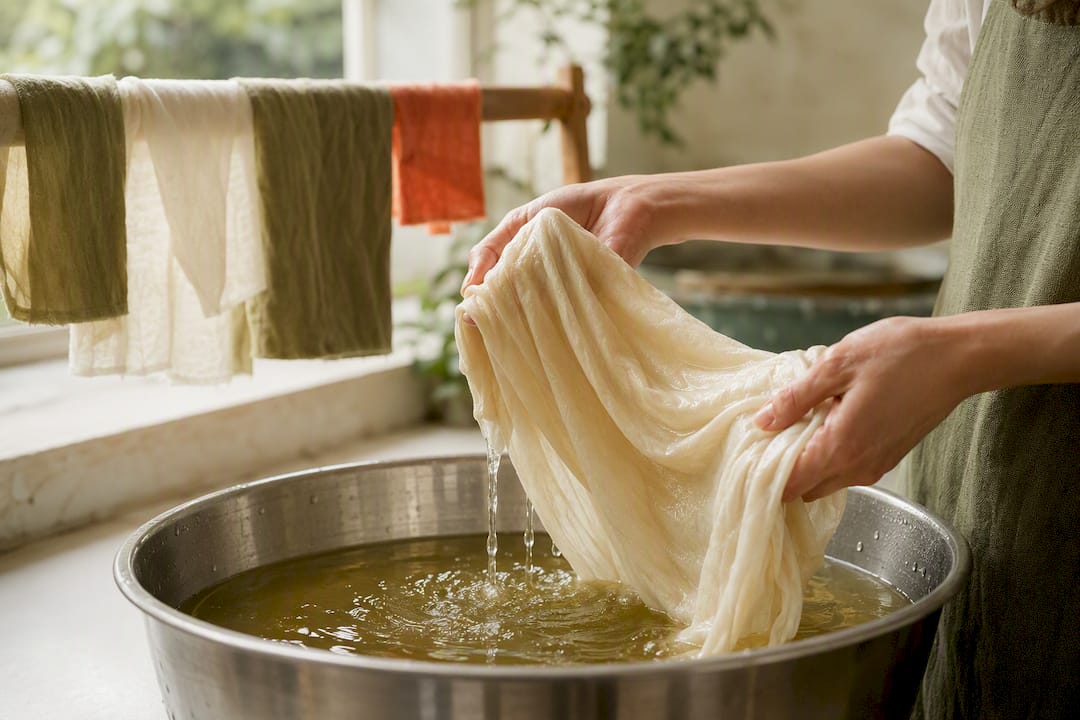
OEKO-TEX Standard 100 fills a gap GOTS doesn’t always cover completely: it tests the finished product, including trims. That matters because buttons, zips, snaps and printed decals are common hiding spots for harmful chemicals in children’s clothing. A gorgeous organic cotton romper with an untested metal snap isn’t fully safe just because the fabric is certified.
What to check before buying:
- GOTS logo on the garment or product page, not just “organic cotton” in the description.
- OEKO-TEX Standard 100 reference, especially for anything with buttons, zips or printed trims.
- A washcare label recommending gentle detergent and no fabric softener, which usually signals a finish that hasn’t been chemically treated to feel “soft” out of the packet.
Pro Tip: Wash new organic garments once before first wear, using a fragrance-free detergent. This removes any manufacturing residue and softens natural fibres without stripping the fabric’s breathability.
Our fabric guide for Australian parents breaks down which weaves and weights suit which seasons, if you want to go deeper on fabric choice beyond certification alone.
Organic baby skincare: what belongs in the cabinet
A newborn’s skin barrier is thinner and more permeable than an adult’s, so what goes on it matters as much as what goes on their back. The core kit is small: a gentle wash, a moisturiser, a nappy cream, and a massage oil. Where the product sits on the skin for extended periods (nappy cream especially), certified organic is worth the extra cost.
Ingredients worth avoiding on any label:
- Sodium lauryl sulfate or sodium laureth sulfate (SLS/SLES), harsh detergents that can strip natural oils.
- Parabens, used as preservatives but linked to skin sensitivity in some infants.
- Synthetic fragrance, often just listed as “parfum” or “fragrance” with no breakdown.
- Talc, which carries inhalation risks around a baby’s face.
Brands built around certified organic skincare tend to favour plant-based surfactants and oils instead, and the ingredient list is usually short enough to read in ten seconds. If you spot a reaction, redness, or persistent rash after introducing a new product, patch test on a small area first and speak to your GP or a dermatologist before continuing use.
Feeding gear: safest materials for bottles and mealtime
The material question matters more for feeding gear than almost anywhere else, because it’s the one category where plastic leachates can end up directly in what your baby eats or drinks. Borosilicate glass, stainless steel and food-grade silicone are the three materials worth trusting for bottles, spoons, bowls and sippy cups.
For bibs, burp cloths and muslins used at mealtime, the calculation flips: material safety is less of a concern and certification becomes the priority, since these are fabric items that sit against skin and get mouthed constantly. GOTS organic cotton or OEKO-TEX certified fabric covers this well.
Practical care notes:
- Sterilise glass and stainless steel bottles in boiling water or a steam steriliser; silicone tolerates both but check the manufacturer’s heat limit.
- Replace silicone teats and spoons every few months, since silicone degrades with repeated heat cycling.
- Wash fabric bibs after each use in a fragrance-free detergent to avoid residue building up near the mouth.
Sleep and bedding: organic choices within safety limits
Sleep is the one category where “organic” cannot override safety. Australian and New Zealand safety standards call for a firm, flat sleep surface with a correctly fitted mattress, and no loose blankets, pillows, or soft toys in the cot. An organic-labelled product that doesn’t meet those basics is not a safer choice, no matter how the packaging reads.
Within those limits, GOTS cotton or linen fitted sheets and a well-fitted sleep sack are the two items worth prioritising, since they’re in direct, prolonged contact with skin for 10 to 14 hours a night. A mattress protector should be breathable cotton or wool blend, not PVC or vinyl, which trap heat and moisture against the mattress surface.
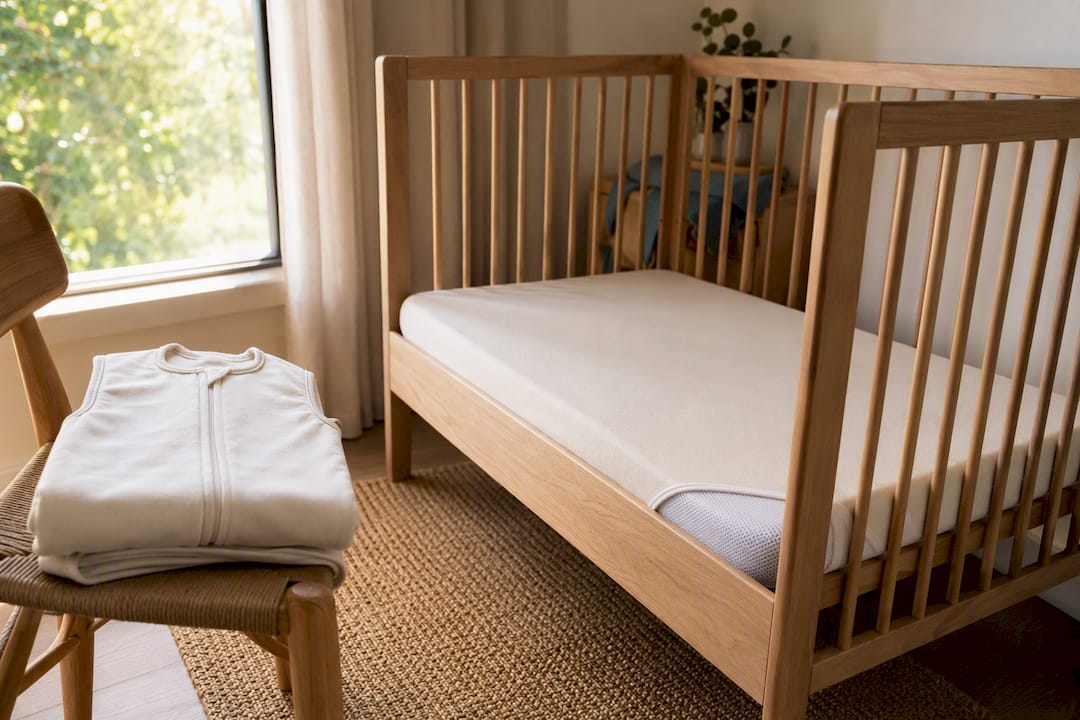
Natural fibres bring their own nuance here too. Research on hypoallergenic natural fibres suggests materials like lambskin can affect comfort and breathability, but any natural fibre used in sleep still needs to sit within the same firm, flat, unobstructed safety framework, not instead of it.
Sleep safety at a glance: the flat, firm sleep surface recommendation exists specifically to reduce SIDS risk, and it applies regardless of whether the sheet, mattress, or sleep sack is organic or conventional.
Nappies and changing: cloth, eco disposables and wipes
-
Cloth nappies cost more upfront but less over time, and modern designs (fitted, pocket, or all-in-one) are far less fiddly than older cloth systems. The trade-off is washing: expect an extra load or two of laundry weekly, and factor in drying time if you’re not using a dryer.
-
Eco disposables suit families who want less laundry, but independent reviews show real variation in absorbency and leakage between brands, so check for certified, chlorine-free options with transparent ingredient lists rather than assuming “eco” on the packet means tested performance.
-
Wipes and change accessories: fragrance-free, plant-based disposable wipes or reusable organic cotton wipes both work well; round out the kit with a waterproof wet bag, an organic cotton change mat cover, and breathable nappy liners if you’re using cloth.
Toys and teethers: what natural actually means here
Natural rubber teethers, unfinished hardwood rattles, and GOTS cotton soft toys cover most of what a newborn to toddler actually needs. Natural rubber flexes and gives under gum pressure in a way hard plastic doesn’t, and unfinished wood avoids the painted small parts that are a common source of chipped, ingestible flakes.
- Check for secure stitching and no small, detachable parts on soft toys.
- Confirm age labelling matches your child’s stage, especially for anything with a squeaker or rattle insert.
- Wipe wooden toys with a damp cloth rather than soaking, and machine wash soft toys on a gentle, fragrance-free cycle to keep them hygienic without breaking down natural fibres.
How to read labels without falling for greenwashing
The word “organic” carries no legal weight on its own in Australia unless it’s backed by certification. A study on organic cotton apparel found a meaningful share of children’s textile products marketed this way lacked any valid certification at all, which means the label alone tells you nothing.
Marks worth trusting:
- GOTS: covers organic fibre content and processing standards for textiles.
- ACO or COSMOS: cover organic and natural claims in skincare formulations.
- OEKO-TEX Standard 100: tests the finished product, including trims, for harmful substances.
Claims worth questioning: “natural,” “pure,” “non-toxic,” and “chemical-free” mean nothing on their own without a certification logo or an ingredient list backing them up. Before buying, ask the seller five things: what materials are used, whether trims and hardware are separately tested, whether certification logos link to a verifiable registry, where the item was made, and what the specific care instructions are.
Pro Tip: If a product page can’t answer at least three of those five questions, treat the “organic” claim as marketing until proven otherwise. A guide to trustworthy skincare certifications is a useful reference if you want to check what a specific logo actually covers before you buy.
Why parents trust Baby Goes Retro for organic essentials
This retailer has spent many years sourcing children’s clothing that balances colourfulness with ethical considerations. A few things set the approach apart:
- Founded in 2007, this company specialises in European organic baby and kids’ clothing, curated for vibrancy, ethics, and softness on sensitive skin.
- Every piece is chosen with values and quality assurance in mind, designed to be durable and comfortable for toddlers.
- Shopping includes a return and exchange policy and affordable shipping, helping reduce risk when trying a new brand.
What most organic baby guides get backwards
Most organic baby guides treat every item on the checklist as equally urgent, and that’s where they lose parents. Buy the certified organic muslin and skip the certified organic pram organiser. Skin contact time, not category size, should decide where your budget goes first, and that single filter cuts a 40-item shopping list down to something achievable in a weekend.
The certification obsession also gets misapplied. GOTS matters enormously for a fitted cot sheet your baby sleeps on for twelve hours a night. It matters far less for a pram liner used twice a week. Conventional advice rarely draws that distinction, and it leaves parents either overspending across the board or, worse, giving up on organic entirely because the full list looks unaffordable.
My honest read: certified starter bundles solve a real problem, not just a marketing one. Decision fatigue is genuine at 2am with a newborn crying, and a curated set removes the risk of accidentally buying something greenwashed. Start with skin contact, verify certification, and let bundles handle the rest.
— Daniel
Start your organic essentials kit the easy way
Baby Goes Retro gives you a shortcut past the label-reading and certification-checking this whole list demands, with bundles already curated by people who’ve spent since 2007 sourcing ethical European brands. Instead of piecing together onesies, swaddles and accessories one certification check at a time, you can start with a set that’s already been vetted for you.
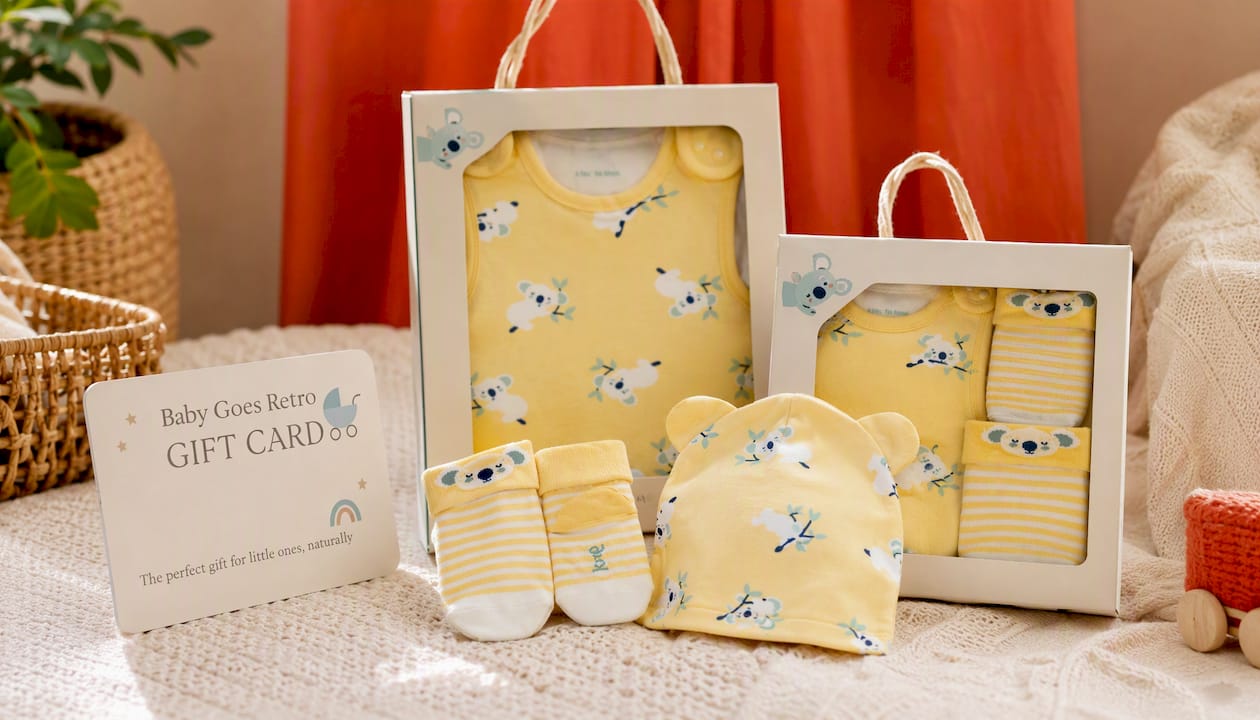
The Kite Koala Time Baby Gift Bundle covers newborn essentials in one curated set, while the Kite Koala Time Toddler Gift Bundle does the same for older bubs who’ve outgrown the newborn stage. If you’re buying for someone else and want them to choose their own certified organic pieces, the Virtual Gift Certificate hands that decision straight to the parent who’ll actually be using them.
Every order ships for a flat $7.95 across Australia, free once your cart hits $97, with 30 days to return or exchange if something isn’t quite right. Browse the newborn bundles collection and pick the starting point that matches where your family is right now.
Sources
Check certification claims directly rather than taking a product page’s word for it: baby product safety standards across AU/NZ/US/EU, organic baby care guidance for Australian families, and safe sleep environment guidance for anything going into the cot.
- Understanding baby product safety standards (AU/NZ/US/EU compared) — KIDDOspot
- Organic baby care: protecting your little ones with natural Australian products — Organics Australia Online
- Study on organic cotton apparel recognition and quality — Journal of the Korean Society of Clothing and Textiles (2015)
FAQ
What are the top essential items for a newborn baby?
The essentials are onesies and swaddles in GOTS organic cotton, a gentle certified skincare set, glass or silicone bottles, fitted cot sheets, a sleep sack, and a stash of nappies and fragrance-free wipes.
What are the best organic baby products in Australia?
Look for products carrying GOTS certification for textiles and ACO or COSMOS marks for skincare, since these confirm organic and safety claims rather than relying on marketing language alone.
What should I look for in organic baby products generally?
Prioritise short, plant-based ingredient lists for skincare, certified organic cotton for anything touching skin for long periods, and OEKO-TEX testing on trims like buttons and zips.
What are some must-have accessories for a newborn?
Muslin wraps, a few certified organic onesies, a sleep sack, glass or stainless steel feeding gear, and a fragrance-free skincare set cover most newborn needs without overbuying.
How many organic items do I actually need to start?
Five to seven onesies, three to four swaddles, two to three fitted cot sheets, and a small skincare set is realistic; curated bundles like those from Baby Goes Retro can cover this in one purchase.
0 comments