


Scandi kids style means dressing children and designing their rooms around three filters: minimal form, natural materials, and genuine function. It is not a colour palette. To apply it today, pick three capsule wardrobe pieces you’d happily buy twice, and make one “shell versus layer” change in your child’s room instead of a full redecorate. Ethical sourcing and durability are what separate the real thing from a beige trend.
TL;DR:
- Authentic Scandinavian kidswear emphasizes durable, easy-care fabrics like organic cotton and wool, with construction tailored for active play and longevity.
- Building a capsule wardrobe involves five to nine versatile pieces, including a reliable outer layer and adjustable items that accommodate growth and washing.
- Day-to-day styling focuses on neutral bases with one bold statement piece, layering for temperature, and prioritizing sensory-friendly and play-ready details.
- A well-designed kids room separates permanent elements like flooring and furniture from easily swapped layers such as bedding and artwork to adapt to changing tastes.
- Buyers should verify fiber content, seam quality, and size charts before purchasing to ensure clothing durability and proper fit, especially from reputable sources like Baby Goes Retro.
Table of Contents
- What are the core elements of Scandi kids style?
- How do you build a little Scandi wardrobe?
- How do you style Scandi kids clothing day to day?
- What does a Scandi kids room actually need?
- What should you check before buying Scandi kids pieces?
- Why Baby Goes Retro curates Scandi kids style
- The gap between Scandi Pinterest boards and Scandi that works
- Curated Scandi picks worth adding to the wardrobe
- Sources
- FAQ
What are the core elements of Scandi kids style?
Scandinavian design emerged as a movement in the mid-twentieth century, built on simplicity, minimalism and functionality, and that same logic now shapes how the best kids’ clothing and rooms get made. A lot of what gets sold as “Scandi” is just cream-coloured clutter with a hygge sticker on it. The real version is stricter than that, and more useful.
Genuine Scandi kids clothing sticks to a few non-negotiables:
- Silhouettes that let kids crawl, climb, and sit on the floor without fighting the fabric
- Natural materials such as organic cotton, wool, and linen over synthetic blends
- Neutral base tones with one or two considered prints or colours, not five competing patterns
- Construction built for durability and easy care, including flat seams and washable fabrics that survive weekly wear
Rooms follow the same brief. Light matters more than colour, so windows stay uncovered or lightly dressed. Natural wood beats painted MDF for longevity, and storage sits low enough that a toddler can reach it without help. Multifunctional furniture, like a cot that converts to a toddler bed, does the heavy lifting instead of a shelf full of themed decor that gets outgrown in a year.
How do you build a little Scandi wardrobe?
You don’t need forty outfits. You need eight or nine pieces that mix freely and hold up to washing, mud, and growth spurts. A useful rule of thumb: buy one well-made outer layer per child and three reliable basics to build around, which covers most weather and most ages without a wardrobe overhaul every season.
- Start with a bodysuit or onesie in organic cotton as your base layer for babies and toddlers, as outlined in some of the best newborn clothes alternatives for practical and stylish options.
- Add elastic-leg pants or leggings that move with a crawling or running child and don’t need a belt.
- Layer a cardigan or jumper in wool or a cotton blend for temperature control across the day.
- Finish with one outer layer, a coat or heavy cardigan, chosen for the coldest days you’ll actually face.
- Buy slightly roomier than the size chart suggests, and favour adjustable cuffs, waists, or straps that stretch the wearable window.
- Check the fibre content before the print. Organic cotton and merino wool cost more upfront but wash better and last through more than one child if you’re that way inclined.
Run the unit price per wear instead of the sticker price. A $40 bodysuit worn 100 times beats a $12 one that pills after six washes and gets binned. Need the outer layer? See our baby and toddler jumpers and jackets.
How do you style Scandi kids clothing day to day?
Styling Scandi kids clothing isn’t about matching. It’s about restraint with one deliberate exception. Start with a neutral base, then let a single printed piece, a patterned bodysuit or a bright pair of tights, do the talking. Two loud prints in one outfit cancel each other out and just look busy.
- Layer for temperature and texture: a cotton base, a wool mid-layer, a weatherproof outer piece
- Prioritise sensory-friendly construction, flat seams and tagless labels, especially for kids who fuss over fabric
- Pick play-ready features: easy on/off necklines, reinforced knees, minimal trim that won’t catch on climbing frames
- Wash cool, skip the fabric softener on wool and merino, and air-dry where you can to protect elastic and colour
Pro Tip: Keep one “wildcard” printed piece, like a patterned sock or a bold bodysuit, in permanent rotation. It gives a neutral outfit personality without you having to think about it every morning.
What does a Scandi kids room actually need?
The trick to a Scandi kids room that doesn’t need rebuilding every 18 months is separating what’s permanent from what’s cheap to swap. Spend properly on the shell, then update the layers as your child’s taste changes.
- Invest in the shell first: flooring, a proper bed frame, and any built-in storage. These are the elements you’re not replacing in a hurry, so buy them once, buy them well.
- Treat bedding, rugs, and artwork as layers. Swap these out for a few dollars whenever the room feels stale, no renovation required.
- Use low, open storage so kids can reach their own books and toys, which supports independence rather than a constant “can you get that down for me.”
- Choose full-size furniture over toddler-scaled pieces. A proper bookshelf or wardrobe outlasts a themed toddler version by years.
- Maximise natural light and stick to natural materials, wood, wool, linen, for comfort and warmth without a lot of visual noise.
That split keeps the room genuinely useful as your child grows, rather than “cute for one Instagram post and awkward by age six.” Our piece on why Scandinavian babywear suits Aussie families covers how this same shell-and-layer thinking flows from room design into wardrobe choices.
What should you check before buying Scandi kids pieces?
A good buying checklist saves you a return and a disappointed kid. Before you click “add to cart,” run through this:
- Read the fibre content label first, organic cotton, merino, or linen should be named, not vague “cotton blend” wording
- Check care instructions match your laundry routine, hand-wash-only wool isn’t realistic for every household
- Look closely at seams and fastenings in product photos, flat seams and quality poppers are the tell of a well-made piece
- Compare price against expected wears, not just against the cheapest option on the page
- Confirm the size chart is specific (age and height/weight), and favour retailers that show fastenings and construction detail clearly
- Prefer retailers with transparent sourcing information and shipping that actually works for Australian addresses
If a listing is vague on fibre content or shows only styled lifestyle photos with no close-up of the stitching, that’s usually a sign the garment won’t hold up past a few washes.
Why Baby Goes Retro curates Scandi kids style
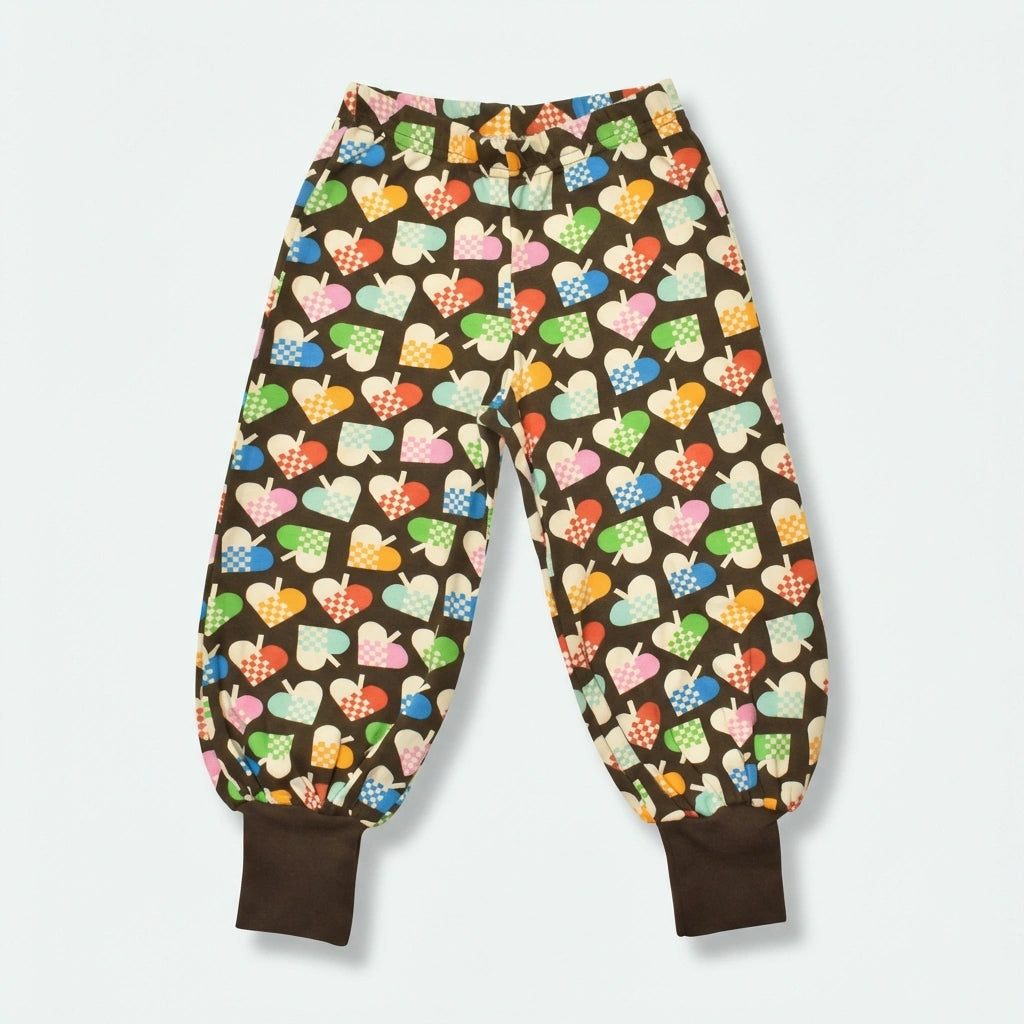
Baby Goes Retro has been sourcing European organic kidswear since 2007, which means we’ve spent close to two decades learning which Scandi labels actually survive childhood and which just photograph well. Every piece in our catalogue gets picked against the same filters this guide runs on: durable construction, ethical sourcing, and fabric that a kid can crawl, climb, and spill lunch on without falling apart.
Here’s how a few of our current picks stack up against those principles:
- Kite Koala Time Baby Gift Bundle, organic cotton basics bundled for genuine capsule-wardrobe value
- DUNS Sweden Clover Bodysuit: Pompeian Red, a bold single-print piece that works as the “wildcard” layer
- Kite Pig Pannage Long Sleeve Bodysuit, popper fastenings built for fast, fuss-free changes
- Slugs & Snails Drop Print Tights, movement-friendly and printed without shouting
We ship Australia-wide and stand behind every piece with 30-day returns, because Scandi principles mean nothing if the garment doesn’t fit the life your kid actually leads. Browse the full DUNS Sweden collection and Kite collection.
The gap between Scandi Pinterest boards and Scandi that works
Most Scandi advice online is decor advice pretending to be a lifestyle. It’s all mood boards, cream cushions, and zero mention of the fact that a three-year-old will absolutely put a marker on that cushion within the week. The genuinely useful version of Scandi kids style is quieter than that and a lot more disciplined about spending.
The conventional advice tells parents to buy the whole aesthetic at once, coordinated bedding, coordinated outfits, coordinated everything. That’s backwards. The shell-versus-layer split works precisely because it lets you spend once on the things that matter (flooring, a proper bed, a well-made coat) and stay flexible on the things that don’t (a rug, a print, a cardigan colour). Wardrobe capsules work the same way.
If there’s one thing to prioritise first, it’s fibre content over print. A beautiful Scandi-style bodysuit in a synthetic blend will bobble and fade in months. An unremarkable-looking organic cotton one will still be soft and holding shape when it’s handed down. Buy for the fabric. Let the print be the fun part, not the deciding factor.
— Daniel
Curated Scandi picks worth adding to the wardrobe
Baby Goes Retro is the alternative to guessing your way through overseas Scandi labels, curated European organic pieces, already vetted for durability and ethical sourcing, shipped to your door without the trial-and-error.
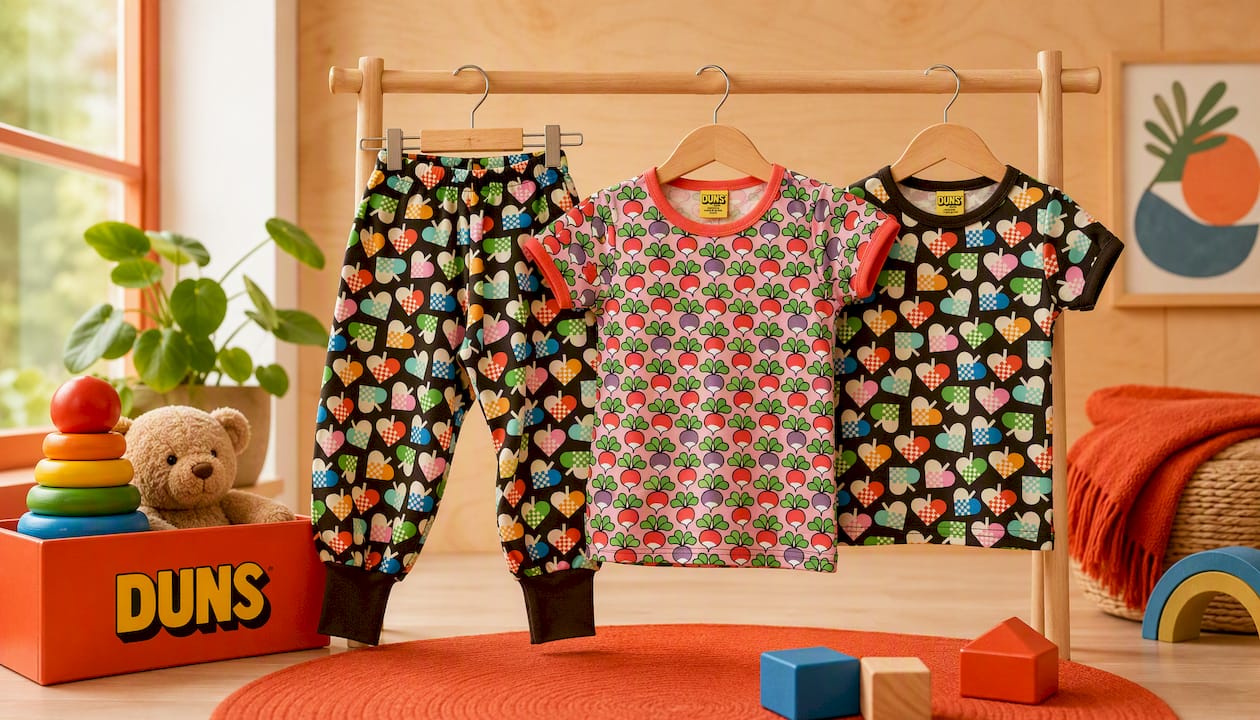
A few current standouts if you’re building a capsule now. The Kite Little Goose Baby Gift Bundle covers newborn basics in organic cotton at genuine gift-bundle value. For toddlers on the move, the Kite Koala Time Toddler Gift Bundle and the Kite Pear-fect Dungaree Toddler Bundle pair play-ready dungarees with easy layering pieces. Heading into swim season, the Kite Pear-fect Print Swimsuit brings the one-print rule to the pool. Comparing labels? Read our guide to the best European baby clothing brands in Australia.
Every order ships for a flat $7.95, free once you spend over $97, with 30-day easy returns and exchanges if a size or style isn’t quite right. Browse the full kids clothing collection or check our organic bodysuits to start your capsule today.
Sources
- Scandinavian design
- The best Scandinavian clothing brands for kids
- Scandi-Boho kids room: a forever design that grows
- How To Create a Scandi-Style Kids’ Room
- Little Scandi elegance: how Nordic style is reshaping kids fashion worldwide
FAQ
What are some good Scandi style kids clothes?
Look for organic cotton bodysuits, elastic-waist pants, wool cardigans, and one printed statement piece, brands like Kite and DUNS Sweden build these around movement-friendly cuts and durable fabric rather than trend-driven prints.
How do you dress a kid in Scandi style?
Build outfits from a neutral base (cotton or wool basics) and add exactly one printed or coloured accent piece, then layer for temperature rather than reaching for a single “outfit” that only works in one season.
Where can you find Scandi style clothing in Australia?
Baby Goes Retro has stocked curated European organic Scandi brands for Australian families since 2007, with reliable local shipping, so you’re not gambling on overseas sizing or slow international freight.
What are some good Danish and Nordic kids’ clothing brands?
Nordic labels are generally known for organic cotton and merino wool basics, movement-friendly silhouettes, and construction built to survive years of active play rather than a single season, in line with the broader Scandinavian design philosophy of function over decoration.
0 comments