


Slow fashion kids clothes are worth the extra spend when you buy fewer, better pieces in natural fibres. Cost-per-wear drops fast on a well-made romper that survives three kids and five years of mud, while a cheap five-pack falls apart before winter. Start small: swap out your child’s most-worn basics first, pick one or two durable pieces from a trusted maker, and build from there.
TL;DR:
- Investing in a few high-quality, natural fiber pieces each season reduces long-term costs and ensures durability through multiple children and years of wear.
- Building a slow fashion wardrobe involves prioritizing high-turnover items for secondhand replacement, and choosing versatile, timeless designs in a restricted color palette.
- Fabric choices like organic cotton and merino wool, along with sturdy construction features, are essential to avoid quick wear and microplastic shedding.
- Buying options include new from ethical retailers, small-batch or made-to-order pieces, preloved or vintage clothes, and clothing swaps, each suited to different needs.
- Proper care, including washing cold, mending damage, and promptly reselling outgrown items, extends garment life and maximizes environmental benefits.
Table of Contents
- What does slow fashion mean for kids clothes?
- How do you build a slow-fashion wardrobe for kids aged 0 to 9?
- What should you check before buying? A fabric and construction checklist
- Where can you buy ethical, organic kids clothes?
- How do you care for kids clothes to make them last longer?
- Why we curate slow-fashion kidswear this way
- See the curated bundles for yourself
- Sources
- FAQ
What does slow fashion mean for kids clothes?
Slow fashion for children flips the fast-fashion script: instead of cheap, disposable basics replaced every season, you buy fewer pieces designed to survive years of wear and multiple kids. The genuine article uses natural fibres, small-batch or made-to-order production, and design that doesn’t chase trends. That matters more for kids than adults, because children’s skin is thinner and more reactive, and their clothes take a genuine beating.
Legitimate slow-fashion production models include:
- Made-to-order and print-to-order runs, which avoid overproduction and often land at mid-market prices
- Small-batch manufacturing from known workshops rather than mass factory lines
- Vintage and preloved pieces given a second (or third) life
- Timeless, non-seasonal designs that don’t date after one wear
Australians buy more clothing per person than almost anywhere else in the world, and most of it ends up as waste within a year or two, according to reporting on the country’s textile consumption. Slow fashion is the direct counterweight to that cycle.
How do you build a slow-fashion wardrobe for kids aged 0 to 9?
You don’t need to overhaul the whole wardrobe overnight. Build it in stages, starting with what gets used most.
- Audit high-turnover items first. Bodysuits, socks, and everyday tops wear out fastest, so they’re the best candidates for swaps or secondhand buys while you save for quality replacements.
- Invest in 2 to 4 durable basics per season. Think organic cotton leggings, a merino jumper, or a well-cut romper that can be handed down. These are the pieces worth paying more for.
- Add one outer layer that earns its keep. A quality jacket or all-weather coat outlasts three cheap ones and handles daycare, playgrounds, and everything in between.
- Stick to a tight colour palette. Neutrals with two or three accent colours mix and match endlessly, which means fewer garments cover more outfit combinations, as practical wardrobe guides for conscious parents point out.
- Layer for seasons rather than buying separate wardrobes. A merino base layer under existing pieces stretches a small wardrobe across autumn and winter without new purchases.
A coordinated palette also makes hand-me-downs between siblings far more usable, since a jumper that suited one child’s “look” won’t clash with the next.
What should you check before buying? A fabric and construction checklist
Get this right at the till and you’ll avoid most slow-fashion regrets. Run through this before adding anything to cart:
- Fabrics to favour: organic cotton, linen, merino wool, and hemp. All breathe well, soften with washing, and hold their shape.
- Fabrics to avoid: synthetic blends with high polyester content, which pill fast, trap heat, and shed microplastics in the wash.
- Construction cues: flat-lock seams, reinforced knees and cuffs, and metal (not plastic) snaps or buttons that survive repeated washing.
- Sizing features: adjustable waistbands, roll-up cuffs, and generous hems that let a garment fit for two sizes, not one.
Statistic Callout: Industry commentary on Australia’s clothing habits argues the real cost of a garment should be measured in cost-per-wear, not price tag — a shift from buying by volume to buying by value.
Here’s the maths in practice: a $12 fast-fashion romper that survives 15 wears before the seams give costs 80 cents per wear. A $45 organic romper that survives 150 wears (through wash, wear, and a second child) costs 30 cents per wear. The cost-per-wear formula makes the “expensive” option the actual bargain.
Pro Tip: Check the product page for fibre content and country of manufacture, not just a green leaf icon. A genuine ethical brand names its fabric composition and factory relationship rather than relying on vague “eco-friendly” language.
For a full breakdown of which fibres suit which climate and skin type, Baby Goes Retro’s fabric guide for Australian parents covers the detail.
Where can you buy ethical, organic kids clothes?
You’ve got four realistic buying routes, and each suits a different situation.
- New from an ethical retailer — best for basics you’ll wear hard and want to last, where quality control matters most.
- Made-to-order or small-batch labels — good for special pieces, gifts, or when you want to avoid contributing to overproduction.
- Preloved and vintage marketplaces — ideal for high-turnover sizes kids grow out of in months, and local Australian sellers and small ethical brands make up a genuine part of this market.
- Clothing swaps with other families — free, fast, and great for the in-between sizes that only get a few months of use.
Curated bundles available from some retailers sit in the first category and were selected specifically for the durability and natural-fibre standards this article recommends:
| Bundle | Best for | Why it fits slow fashion |
|---|---|---|
| Kite Little Goose Baby Gift Bundle | Newborn gifting, sensitive skin | Soft organic layers designed for repeated washing |
| Kite Koala Time Baby Gift Bundle | Everyday baby basics | Durable construction for daily wear and hand-me-downs |
| Blade & Rose Meadow Farmyard Gift Bundle | Active play, older babies | Playful prints on hardwearing fabric built for mess |
Many ethical retailers ship for a flat rate and offer free shipping over a certain amount, with returns available if a size or style isn’t right.
How do you care for kids clothes to make them last longer?
Extending garment life is where the real environmental win happens, and it costs nothing but a bit of routine.
- Wash cold, wash less. Most kids’ clothes don’t need a wash after every single wear unless visibly dirty; cooler washes protect natural fibres and cut energy use.
- Mend small damage immediately. A patched knee or resewn button today prevents a torn-beyond-repair garment in a few weeks, and simple home repairs often pay for themselves within a single season of use.
- Prep for resale before it’s too late. Wash and fold outgrown pieces promptly rather than letting them sit in a bag for a year; well-kept garments hold resale value far longer.
Pro Tip: Keep a small “mending basket” with a needle, thread, and spare buttons in the laundry. Fixing a loose seam takes two minutes if you catch it early, but becomes a write-off if you don’t.
Why we curate slow-fashion kidswear this way
Some retailers have been sourcing European organic kidswear for many years, focusing on natural fibres, sturdy construction, and colours kids love wearing. Bundles may be curated to survive real childhood, not just a photoshoot. Shipping fees and return policies vary, but many offer flat rates, free shipping over a threshold, and returns policies due to sizing challenges for growing children.
— Daniel
See the curated bundles for yourself
There’s no single “correct” way to buy slow fashion for kids. Some families lean on preloved marketplaces, others go made-to-order, and plenty mix and match depending on the season and the item.
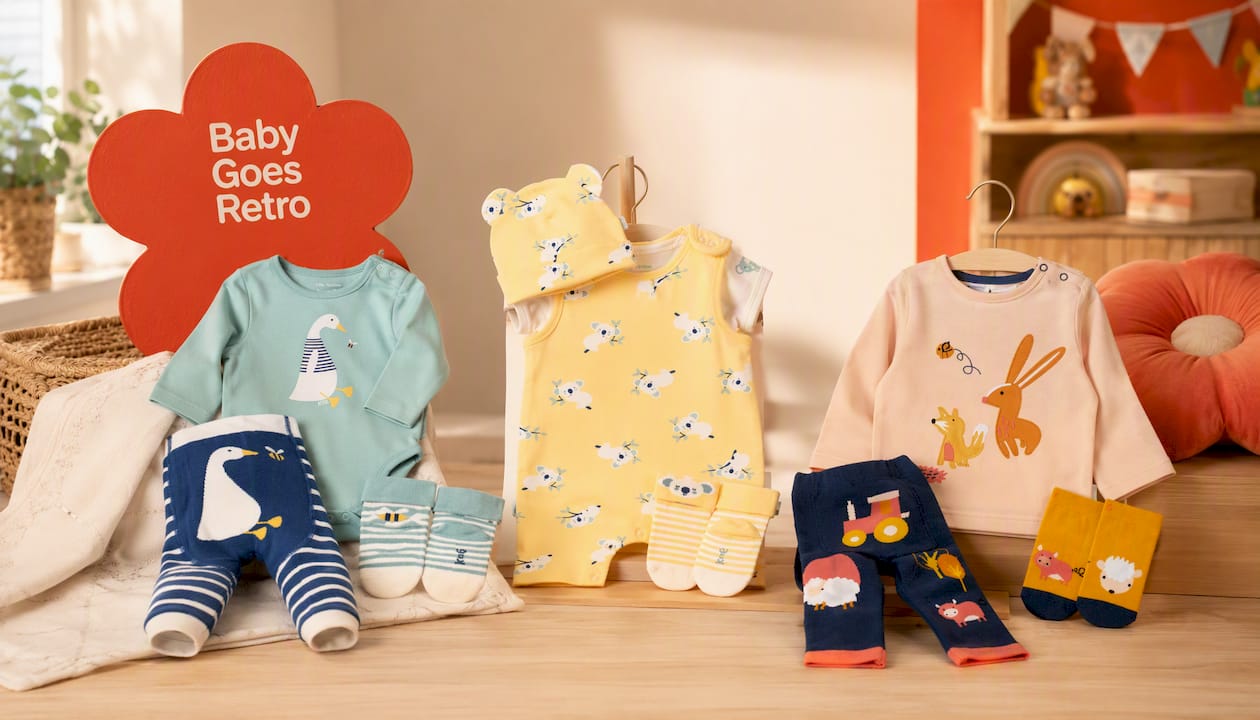
Baby Goes Retro’s role is simple: curated, durable, organic pieces ready to ship now, without the wait of made-to-order or the hunt required for preloved gems. Three bundles worth a look:
- The Kite Little Goose Baby Gift Bundle suits newborn gifting and everyday sensitive-skin basics.
- The Kite Koala Time Baby Gift Bundle covers reliable daily wear built to hand down.
- The Blade & Rose Meadow Farmyard Gift Bundle is made for active toddlers who live outdoors.
Orders typically ship for a flat rate with free shipping over a certain amount, with returns available if the fit isn’t right. Browse the full collection of organic kids clothing and pick the bundle that matches your child’s stage right now.
Sources
For more detail on the ideas covered here, see the reporting on Australia’s clothing waste crisis and this practical slow-fashion wardrobe guide.
- Slow Fashion Kids’ Clothing Guide for Conscious Parents
- Shop small with these 12 ethical Australian (and 1 Kiwi) kids and baby brands
- The children’s slow fashion movement in Australia: what it is & why it matters
FAQ
Is slow fashion more expensive for kids clothes?
The sticker price is usually higher, but cost-per-wear is often lower because durable natural-fibre garments survive far more washes and can be handed down between children.
What fabrics should I look for in ethical kids clothing?
Organic cotton, linen, merino wool, and hemp are the strongest choices; avoid high-polyester blends, which wear out fast and shed microplastics.
Where can I buy secondhand slow fashion kids clothes?
Local swap groups, preloved marketplaces, and small Australian sellers all offer secondhand options, alongside new curated pieces from retailers like Baby Goes Retro.
How many clothing items does a slow-fashion capsule wardrobe need?
Most capsule wardrobes for kids work with 2 to 4 durable basics per season plus one outer layer, supplemented by secondhand or swapped high-turnover items.
Does Baby Goes Retro offer easy returns if the size is wrong?
Yes, Baby Goes Retro offers 30-day returns on all orders, with flat-rate shipping and free shipping over a certain order value.
0 comments