


The softest, safest choices for baby skin are organic cotton, bamboo or lyocell (Tencel), muslin, and superfine merino for cooler nights. The deciding factor isn’t thread count or brand claims. It’s breathability: a fabric that traps heat and moisture invites irritation, no matter how plush it feels in the shop. Before you buy anything, check the label for natural fibres, tagless construction, covered seams, and a low fire hazard rating on any sleepwear.
TL;DR:
- Natural, breathable fibers like organic cotton, bamboo, and lyocell are best for baby clothes because they manage moisture and prevent overheating.
- Fabrics like bamboo and Tencel require cooler, gentler washing cycles to maintain softness and shape over time, especially when compared to cotton.
- Construction details such as covered seams, tagless labels, and low fire hazard ratings are as important as fiber choice for ensuring comfort and safety.
- Pre-washing all new clothing reduces skin irritation by removing manufacturing residues and dyes, especially for delicate baby skin.
- Selecting a size up for organic cotton sleepwear enhances comfort and safety by avoiding tight fits that trap heat or restrict movement.
Table of Contents
- What makes a fabric genuinely soft baby clothing material?
- How to choose the right fabric when you’re shopping
- Washing and care tips that actually preserve softness
- Nightwear safety and avoiding overheating
- Why Baby Goes Retro pays attention to these details
- What actually matters more than marketing claims
- A soft, safe long sleeve option worth adding to the wardrobe
- Sources
- FAQ
What makes a fabric genuinely soft baby clothing material?
Not every fabric marketed as “gentle” earns the label once it’s washed a dozen times and worn against a wriggling, sweaty baby. Here’s how the main contenders actually perform.
Organic cotton is the workhorse of baby wardrobes, and for good reason. It’s breathable, machine washable, and gets softer with every wash rather than pilling or stiffening. Because it’s grown without synthetic pesticides, there’s less chance of residue irritating sensitive skin. It suits almost every Australian climate and every season, which is why you’ll find it in nearly every bodysuit, romper, and sleep suit worth buying.
Bamboo viscose and lyocell (Tencel) feel noticeably silkier against skin than plain cotton, with far better moisture wicking. That makes them a smart pick for warm climates or for babies who run hot at night, since the fabric pulls sweat away from skin instead of holding it against it, according to a bamboo versus cotton buying guide. The trade off is care: bamboo and Tencel generally need a cooler, gentler wash cycle than cotton to hold their shape and softness over time, a point worth remembering before you toss everything into one hot load.
Muslin and gauze aren’t really “clothing” fabrics in the traditional sense, but they’re essential for swaddles, wraps, and light blankets. Their open weave is what makes them breathable enough to layer without cooking a baby on a mild night, and that same weave is why they dry fast between feeds and spit ups.
Modal, a close cousin of Tencel, holds up to repeated washing better than plain cotton in many cases and dries quickly, which matters when you’re doing laundry most days of the week with a newborn in the house.
Superfine merino is the fabric parents underestimate. It regulates temperature in both directions, meaning it can keep a baby warm on a cold night without overheating them the way synthetic fleece does. It works best as a base layer under a swaddle or sleep suit rather than as everyday daywear, since it’s a warmer fabric by nature.
Silk shows up occasionally in special occasion garments, but it’s not practical for daily wear. It needs hand washing or dry cleaning, and it doesn’t stand up to the spills and stretching that come with baby life.
When you’re comparing labels, two certifications are worth knowing:
- GOTS (Global Organic Textile Standard) signals the fabric was grown and processed organically, with restrictions on harmful chemical inputs.
- OEKO-TEX Standard 100 tests the finished textile for residues, not just the raw fibre, which is a useful cross-check for anything treated or dyed.
Neither certification is a guarantee of comfort on its own. A GOTS-certified fabric can still irritate if the seams are rough or the tag scratches. Construction details matter just as much as fibre choice, according to fabric-buying guidance from Sewing Trip.
How to choose the right fabric when you’re shopping
You don’t need a textile degree to shop smart. You need a five-step habit you can run through in the shop or while scrolling online.
- Hold it up to the light. A tight, even weave lets through less light and usually means a denser, more durable fabric. Loose or patchy light coming through can mean thin, short-lived fibres.
- Check the tag situation. Tagless designs or printed labels avoid the scratchy tag that ends up rubbing against a baby’s neck all day.
- Run a finger along the inside seams. Flat, covered, or overlocked seams sit better against skin than raw or bulky ones.
- Look for the certification, then verify with touch. GOTS and OEKO-TEX labels are a good filter, but always feel the actual garment before buying if you can.
- Factor in cost-per-wear, not just price. Babies outgrow sizes every couple of months, so a $25 bodysuit worn for eight weeks might cost less per wear than a $12 one that pills after three washes.
Pro Tip: Buy one size up if your baby is between sizes. A slightly loose organic cotton bodysuit is more comfortable, and safer for sleep, than a snug one that restricts movement or traps heat against the skin.
Newborn dressing advice consistently points to close-fitting soft cotton for sleep, along with easy-to-manage features like envelope necks and poppers, according to the Raising Children Network. Those small design details save you time during 3am changes, which counts for a lot more than it sounds.
Washing and care tips that actually preserve softness
New clothes carry manufacturing residue, dust, and sometimes dye runoff, so pre-wash everything before it touches your baby’s skin. That single step reduces the odds of irritation more than any product you could apply afterwards, according to the Raising Children Network.
- Use a fragrance-free, mild detergent. Fragrance is one of the more common triggers for skin reactions in babies.
- Skip fabric softener. It coats fibres with a waxy residue that actually reduces breathability over time, working against the exact quality you bought the fabric for.
- Wash bamboo and Tencel on a cool, gentle cycle to keep the fibres from breaking down early; cotton tolerates a warmer wash without much fuss.
- Line dry where you can. It’s gentler on elastics and trims than a hot dryer, and it helps organic cotton keep its softness wash after wash.
- Check seams and hems each wash for loose threads, and snip them close rather than pulling, which can unravel a seam.
Pro Tip: If a stain won’t budge, soak it in cool water first rather than reaching for a strong stain remover. Heat sets many stains permanently and harsh chemicals can leave a residue that lingers against skin.
Nightwear safety and avoiding overheating
Any sleepwear you buy in Australia should carry a fire hazard label under AS/NZS 1249:2014, the mandatory standard governing children’s nightwear. Look for “low fire hazard” wording on the swing tag before you buy, not after.
Overheating is the other risk fabric choice can help manage, with natural baby skin moisturizers types also playing a role in preventing irritation and protecting sensitive skin on contact, as detailed in this parent’s guide. Layering with breathable natural fibres, rather than one thick synthetic layer, lets you adjust as the room temperature shifts through the night. A snug sleep sack does this better than a loose blanket, which can ride up and cover a baby’s face. Loose, heavy fabric traps heat against skin; close-fitting, breathable fabric lets it escape, and that difference is exactly why fabric choice and sleep safety are so closely linked.
Why Baby Goes Retro pays attention to these details
Baby Goes Retro has been sourcing European organic baby clothing since 2007, and the fabric questions in this guide are the same ones we run through every range we bring into the store. We look past the swing tag claims to the actual construction: covered seams, tagless labels, ethical sourcing from the mills we work with. Rough finishes and scratchy trims are the most common, most overlooked cause of a fussy baby in an otherwise “soft” garment. A curated range only works if every piece earns its place on the rack, which is why we’d rather stock fewer brands well than chase every trend that comes through.
What actually matters more than marketing claims
Most soft baby clothing fabrics on the market are marketed on feel alone, tested by a single squeeze in a shop. That’s the wrong test. A fabric that feels plush on day one but traps heat, pills after three washes, or hides a scratchy seam under a printed label isn’t soft where it counts.
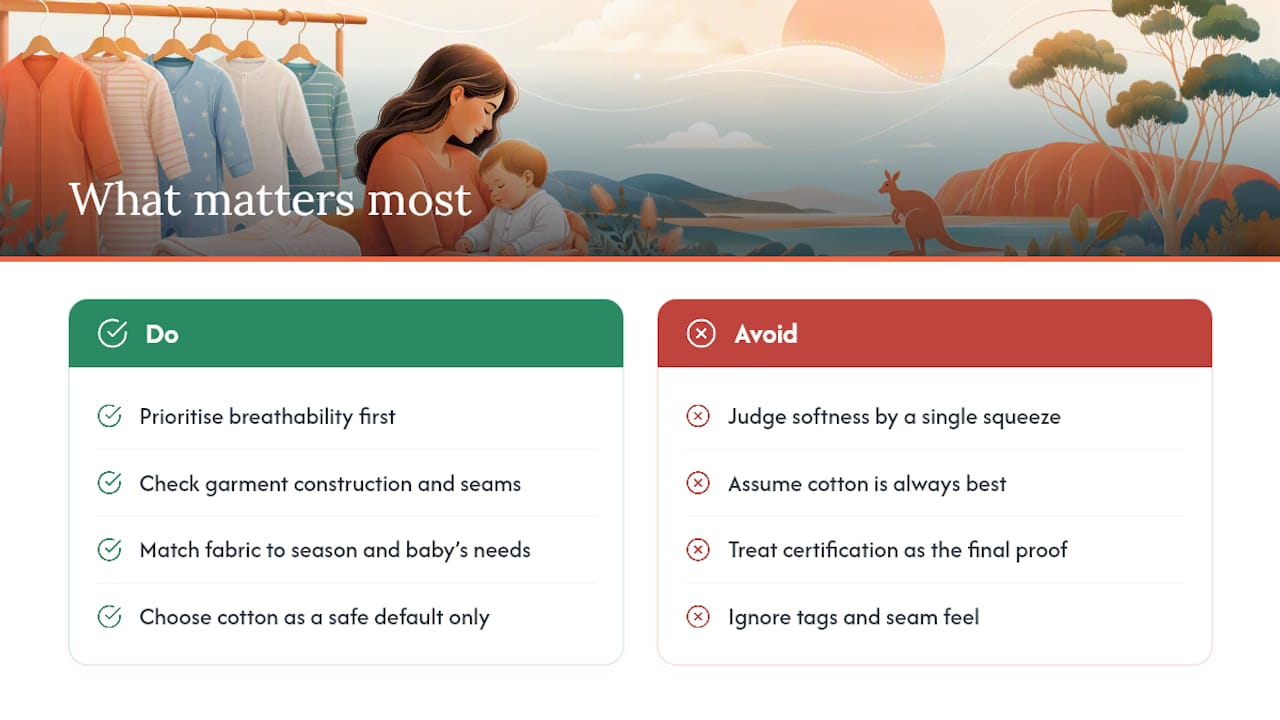
The conventional advice to “just choose cotton” isn’t wrong, but it’s incomplete. Cotton is the safe default, not the best answer for every situation. A baby who runs hot at night is often better served by bamboo or Tencel’s moisture-wicking properties than by more cotton layers. A newborn heading into a Melbourne winter needs a merino base layer more than another cotton wrap.
What should come first? Breathability and construction, in that order, ahead of thread count, brand reputation, or even certification labels. GOTS and OEKO-TEX are useful filters, not finish lines. Feel the seams. Check the tag. Match the fabric to the season, not just the size on the label. Get that right and the rest of the wardrobe sorts itself out.
— Daniel
A soft, safe long sleeve option worth adding to the wardrobe
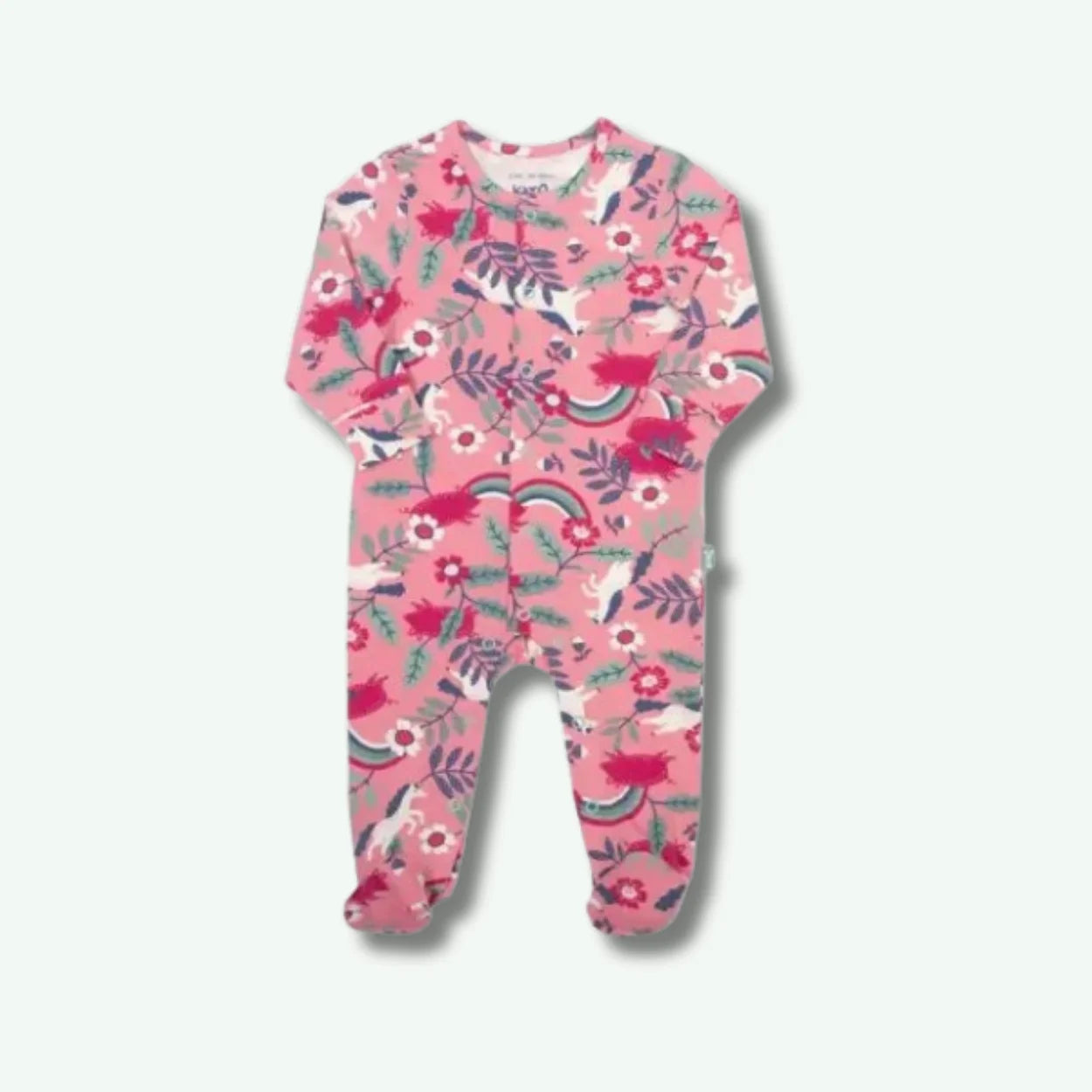
If you want a ready-made piece that ticks every box in this guide, the Kite Pig Pannage Long Sleeve Bodysuit is a good place to start.
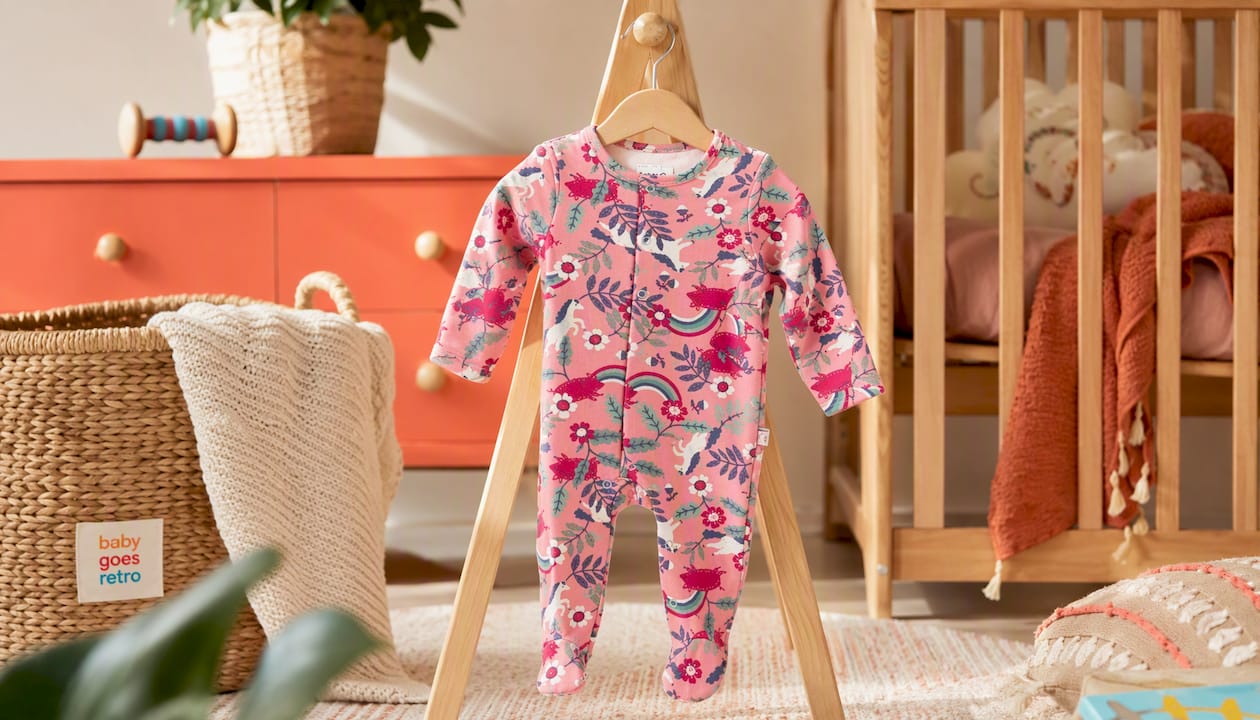
It’s made from soft, breathable cotton with a popper opening at the base for fast, fuss-free changes, and long sleeves that layer easily under a sleep suit or over a singlet on cooler days. It’s the kind of everyday piece that holds its shape and softness through the wash routine outlined above, rather than one that needs babying itself. Baby Goes Retro offers shipping within Australia at a flat rate, with free shipping available for orders over a certain amount, and provides returns and exchanges within 30 days if the size or fit isn’t quite right. Browse the full range of organic baby bodysuits or head straight to the product page to check sizing and grab one before the next growth spurt hits.
Sources
- Nightwear for children mandatory standard — Product Safety Australia
- Dressing a newborn | Raising Children Network
- Bamboo vs cotton baby essentials buying guide | Zoe Sage
FAQ
What is the softest fabric for baby clothes?
Organic cotton and bamboo viscose are consistently rated among the softest, with bamboo often feeling silkier against skin while organic cotton offers easier, more durable care over time.
What type of fabric is best for baby clothes?
Natural, breathable fibres such as organic cotton, bamboo or lyocell (Tencel), and superfine merino for colder weather are the best choices, because they manage moisture and reduce the overheating risk linked to skin irritation.
What is the softest brand of baby clothes?
Softness comes down to the fabric and construction a brand chooses rather than the label itself. Baby Goes Retro focuses on curated European organic ranges with covered seams and tagless designs specifically to reduce the rough spots that cause irritation.
What is the softest fabric for clothes generally?
Across clothing categories, fine natural fibres like silk, bamboo viscose, and combed organic cotton rank highest for softness, though for babies, breathability and easy care matter just as much as raw softness.
Do dyed or coloured baby clothes cause more skin irritation?
Darker or more heavily dyed fabrics can carry more residual dye chemicals than undyed or lightly dyed pieces, so pre-washing new garments and choosing OEKO-TEX tested items where possible helps reduce that risk.
0 comments